About
About the Project
Who we are and what we are trying to understand
Why map the Second Republic's elections?
The Spanish Second Republic (1931–1939) held three parliamentary elections under universal suffrage — including the first election in Spain in which women could vote (1933). These elections took place in a highly polarised context and their results have been the subject of intense historical and political debate ever since.
Yet comprehensive, systematic, municipal-level data for all three elections has never been assembled in a single, consistent, openly accessible dataset. This project fills that gap. By recovering and digitising results from provincial archives, the INE, and regional records, we aim to provide a resource for historians, political scientists, and the public alike.
"The geography of the Republic's elections encodes the geography of the Civil War that followed. To understand one, you must understand the other."
Project description, 2024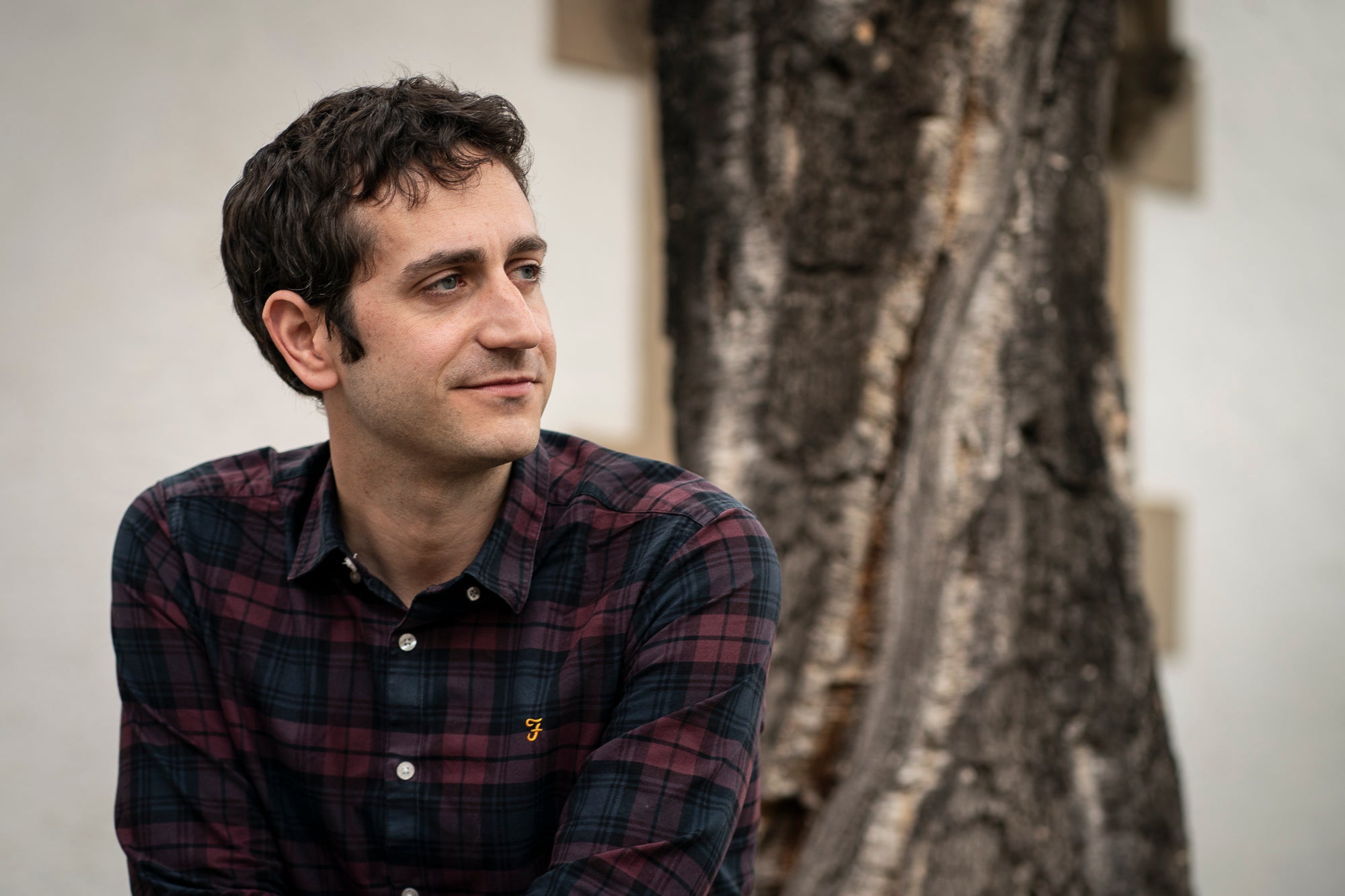
Associate Professor of Political Science at Universitat Pompeu Fabra (Barcelona), ICREA Academia Fellow, and Delegate for Knowledge Transfer in Social Sciences and Humanities at UPF. His research focuses on political behaviour, comparative politics, and historical political economy.
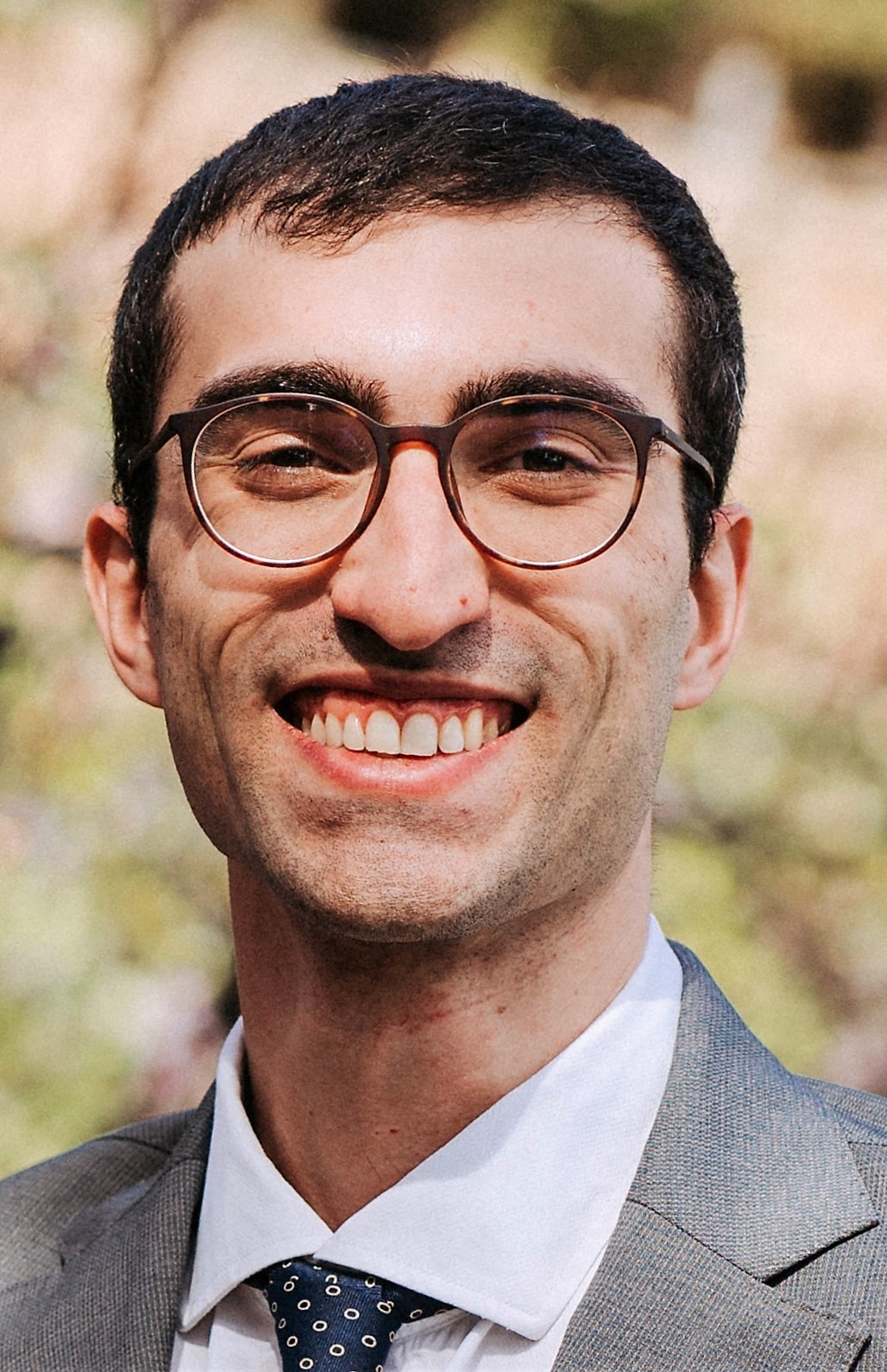
Assistant Professor (Profesor lector) at the Universitat de Barcelona and Teaching Fellow at the Universitat Oberta de Catalunya. His research examines democratization, elite competition, and historical political economy in Europe.
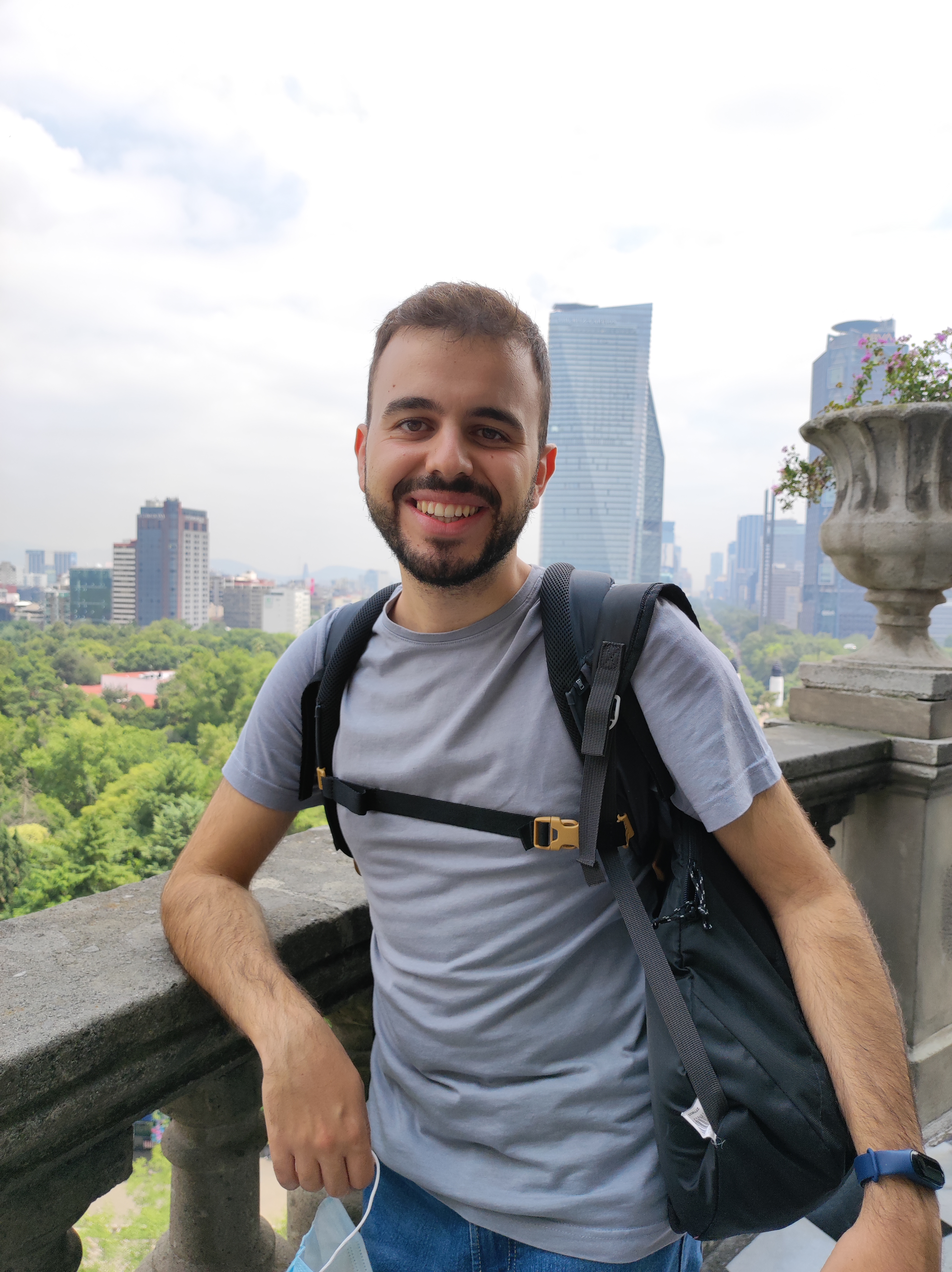
Political scientist and MA graduate from the Carlos III-Juan March Institute. Since October 2025, he has worked as research assistant in VEARLYDEM at Universitat Pompeu Fabra. His interests include historical political economy, educational reforms, and political geography.
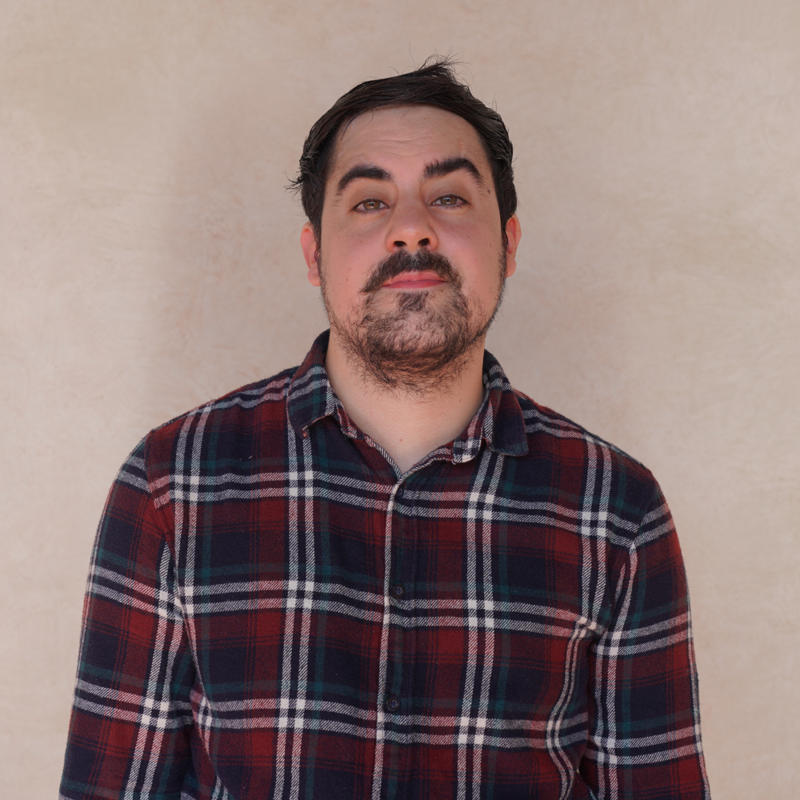
PhD Researcher at the European University Institute (Department of Political and Social Sciences), funded by the predoctoral grant "Salvador de Madariaga." His research and interests include the impact of emigration, transnational and local associations, as well as the processes of political change and historical political economy.
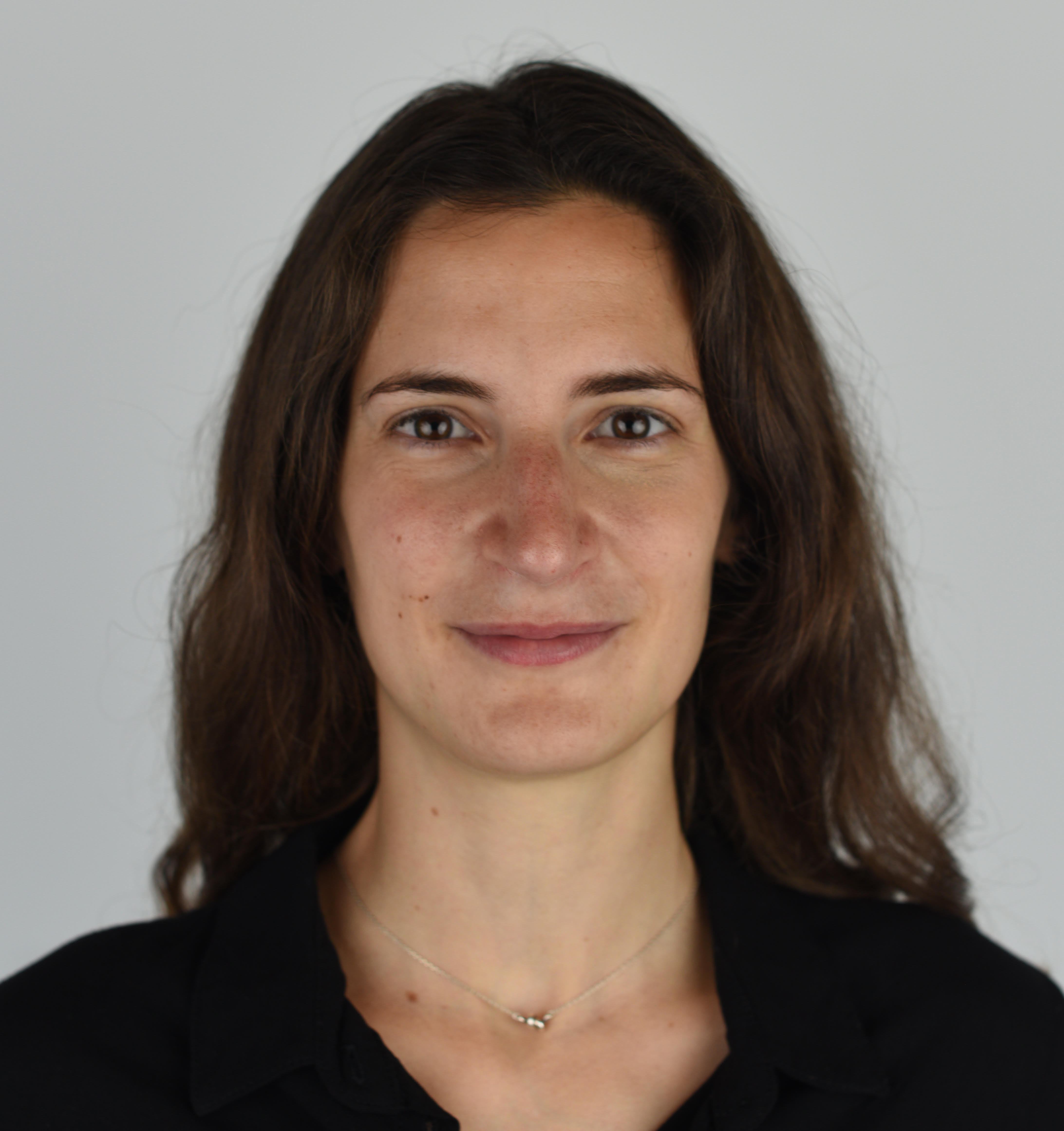
Doctoral researcher in the Department of Political and Social Sciences at the European University Institute in Florence. Her research focuses on women's suffrage, women's electoral participation, and the political legacies of the Spanish Second Republic.
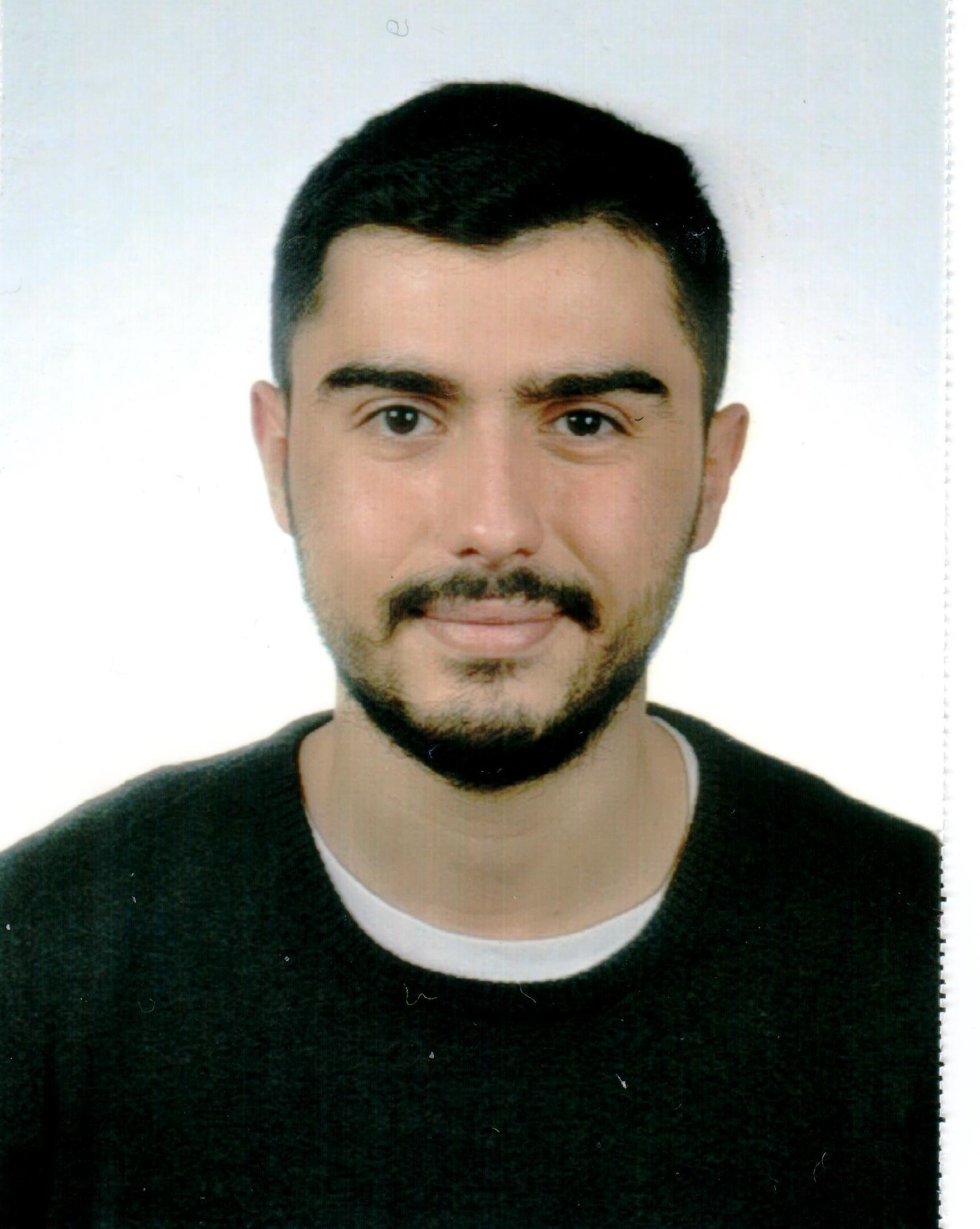
PhD Researcher at the Universitat Autònoma de Barcelona. His research focuses on electoral systems, comparative politics, and political behavior.
We are grateful to the staff of archives across Spain who helped us navigate century-old records and made our work considerably easier. We owe a great debt to the many historians committed to studying the Second Republic who, often through painstaking manual effort, digitised electoral results that now form the backbone of this atlas. The Basque Government and the Catalan Government deserve special recognition for their exemplary work in preserving and making accessible historical electoral data. We also thank Mireia Sibil, Pedro Diz, Magalí Serra, Alicia Bordoy, Fran Villamil, Abdelkarim Laglil, Gemma Rodon, Marina Mollà, David Carbonell, Marc Guinjoan, Irene Rodríguez, Marcos Isabel Núñez, Jacobo Rodríguez-de Fonseca, Atanasio Jesús Alarcon Redondo, Iñigo Iturbe-Ormaetxe, Carlos Aller Arranz, Manuel Galán, Jaime Bordel, Benet Vall, and Carlos Galiana for their support. A particularly heartfelt thank you goes to Diego Martín, whose tireless work building the dataset has been truly invaluable. The dataset can also be accessed via opendata.cat.